
Lesbian Visibility Week: femme visibility and sapphic spaces
Femme visibility and sapphic nightlife in Scotland
Lesbian and gay bars have always been more than just places to go out; they are inherently political spaces. From the Stonewall Riots in 1969 to the Pulse nightclub shootings in 2016, queer bars have always represented a fight for survival. For many queer women, especially in working-class areas, butch and femme identities were key in forming communities within these spaces.
Today, these roles have become less central for some sapphic women and non-binary people, and I’m particularly interested in how femme visibility has changed. In the past, the easiest way to spot a femme was by seeing her with a butch counterpart. But as sapphic spaces have become fewer, I’ve been exploring bars, clubs, and other venues in Scotland that feel safe for queer women. More importantly, I’m excited to see how these spaces are evolving to be more inclusive of trans, disabled, and BIPOC women and non-binary people.
A brief history of sapphic nightlife
Why were lesbian bars so important?
Why were lesbian bars so important? They provided queer women with a space to see themselves as part of a community, not as isolated individuals, in a time when they couldn’t openly express their sexuality. Lillian Faderman describes the lesbian bar as ‘the single most important public manifestation of the [butch/femme] subculture for many decades.’ Today, these roles have become more fluid, and few lesbian bars remain. Gentrification and the impact of COVID on the hospitality sector have contributed to this decline. Sociologist Japonica Brown-Saracino also highlights how ‘dyke bar owners have reported being denied bank loans,’ and the gender wage gap affects the financial power of cisgender women, trans women, nonbinary people, and people of colour.
The complex butch/femme subculture is captured in works like Audre Lorde’s Zami: A New Spelling of My Name, which describes the importance of these roles in the 1950s Harlem lesbian scene. The protagonist explains how clothing was central to these roles, with the ‘well-dressed gay-girl’ giving enough cues to be recognised without asking. The novel highlights how not adhering to these unspoken codes could lead to consequences, like being labeled ‘freaky’ or risking a physical confrontation. Despite the rigidity, these roles were essential in creating a sense of belonging within a subculture forced underground, helping queer women carve out spaces where they could feel valid and accepted.
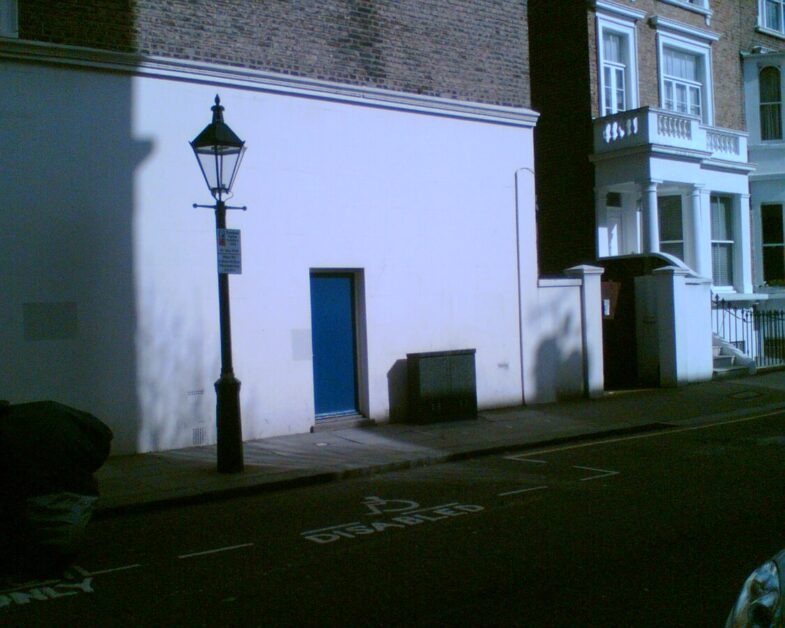
In the UK, The Gateways Club in London was one of the longest-running lesbian nightclubs, operating at 239 King’s Road, Chelsea. Historic England notes that social interactions at The Gateways revolved around butch/femme culture, common in many lesbian bars and clubs from the 1940s to the 1960s. By the 1970s, however, less gender-specific styles became more popular, influenced by feminism and counter-culture, leading to the closure of The Gateways in 1985. The club was so iconic that it even served as the backdrop for the 1968 film The Killing of Sister George.
Political and social tensions in lesbian bars
It’s reported that ‘lesbians of all classes and backgrounds and from all over the country visited the Gateways.’ However, it’s crucial to understand the political and social tensions within the femme/butch scene, especially regarding class and race. For instance, upper-class lesbians like the Daughters of Bilitis (the first lesbian rights group in the U.S., founded in 1955) distanced themselves from the butch/femme bar scene, as they saw it as harmful to the lesbian community’s image. Black queer women and transgender women also faced discrimination, often being denied access to these lesbian spaces. Unfortunately, some of these exclusive spaces still exist today, refusing entry to transgender women. The few inclusive lesbian bars that remain in both the UK and the U.S. are rare.
My experience at lesbian bars
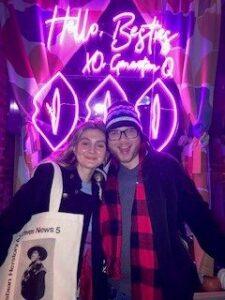
When I visited New York in December 2023, I had the chance to experience two lesbian bars, Cubbyhole and Henrietta Hudson. I was amazed at how queer and welcoming both places felt. As a femme-presenting person, I often feel invisible in my own community, so it was validating to be recognised as queer by other queer women. The night was safe, inclusive, and full of positive energy, with queer women meeting each other in platonic and romantic ways.
However, not all my experiences in queer spaces have been positive. Like many queer women, I’ve had moments where I didn’t feel safe, even in supposedly “safe” queer spaces. For example, I once had a man insert himself between my partner and me while we were dancing, which taught me that safety isn’t always guaranteed, even in LGBTQ+ venues. Some of the best nights I’ve had have been at events specifically for queer women and non-binary people, like Misscoteque in Bristol, where the policy is to only allow women, non-binary, intersex, agender, and trans folk on the dancefloor.
Sapphic spaces in Scotland: my recommendations
Not all of these venues are specifically for queer women, but they have been safe spaces for me and many queer women I know. Here are some spots I recommend:
- Edinbush (Edinburgh): A chilled night at Smoke and Mirrors in Leith, described as ‘for girls who love girls (and their pals)’. It’s a welcoming, low-key event that I’d love to visit again.
- Club Chrome – Saphix (Edinburgh): This LGBTQ+ night at The Street, hosted by Chloe Rose, caters to women and non-binary people, blending live performances and a chill atmosphere. While the event was accessible, the venue wasn’t wheelchair-friendly, which is something to keep in mind.
- Queer Theory (Glasgow): A cabaret and club night on Valentine’s Day, showcasing LGBT+ talent. It felt very sapphic and inclusive, with performances celebrating queer women and non-binary folks.
- Planet (Edinburgh): This spot used to be an unofficial meeting place for lesbians and queer women. Although I haven’t been for a while, it’s had good reviews, and I’ve always had positive experiences there.
- 249’s Queer Party for All (Edinburgh): A lively event at Summerhall, featuring live music, open-mic performances, and entertainment. It’s a great event to check out when it’s on!
- The Dog House (Edinburgh): A quirky bar in Leith that feels very welcoming. It has a progressive vibe, with a large pride flag on display and fun live music.
- Tracks (Edinburgh): A popular drag night every Monday at Subway. Tracks offers fantastic drag performances, including amazing drag king talent. It’s a wonderfully queer event, and it often feels like a sapphic night out.
- Trash Tuesday (Edinburgh): Although it’s at a straight dive bar, Trash Tuesday at Hive is a queer alternative event. The crowd is full of energy, and it’s known for being queer-friendly, especially on its emo nights.
More sapphic spaces to look out for
Here are some events I’m still hoping to check out:
- Femmergy (Edinburgh): A queer night celebrating femme energy, with music styles like disco, hyperpop, and ballroom. Proceeds support the Edinburgh Rape Crisis Centre, making it both fun and for a good cause.
- Sappho’s (Glasgow): A wine and poetry night for lesbians and sapphic folks. It’s a secret, candle-lit event that pairs natural wines with poems—sounds dreamy!
- Saffron Cherry (Edinburgh): A collective focusing on queer, trans people of colour. They organise cabaret and club nights, celebrating QTPOC artists.
The struggle for a lesbian bar in Edinburgh
An honourable mention to a space which does not exist, but almost did. It’s heartbreaking to note that the dream of Edinburgh’s first lesbian bar didn’t quite come to life. The crowdfund for the bar, led by transgender student Emily Zelda, was ultimately closed due to challenges with planning. This highlights the difficulty of creating such spaces in today’s world, especially post-COVID.
Looking ahead: more inclusive spaces for the Sapphic community
It’s inspiring to see spaces for the sapphic community slowly emerging, but there’s still a long way to go. I hope we see more events, especially for disabled, BIPOC, and trans members of the sapphic community. If you have ideas or want to get involved, reach out to LGBT Health and Wellbeing—they may be able to help turn your vision into reality.
Sapphic identities and representation
Although butch/femme roles are less central today, many lesbians, queer women, and non-binary people are still creating spaces to celebrate these identities. In Edinburgh, we are fortunate to have the Butch/Femme press, which is an ‘Edinburgh-based radical, trans-inclusive, independent publication for queer women and those on the Butch-Femme spectrum.’ They have released two publications so far, one focusing on butch/femme identities and the other on desires, both inviting submissions of poetry, prose, and photography.
The Queer Book Archive Lavender Menace also runs a Butch Discussion Group, which aims to meet monthly (check their Instagram for updates). I have contributed a short blog for Lavender Menace to celebrate femme visibility for Lesbian Visibility Week this year. The blog explores the queer, and specifically femme, significance of purple flowers like lavender and violet, inspired by the archive’s name. You can read it here.
For my own femme representation, I dressed in iconic lavender and climbed to the historically queer site, Calton Hill. I’ve been exploring various ways to express my femme identity and am drawn to the increasingly popular hyper-femme style, which often goes beyond traditional femininity. This style rejects the male gaze and allows us to reclaim femininity, free from the constraints of a heterosexist and patriarchal society.
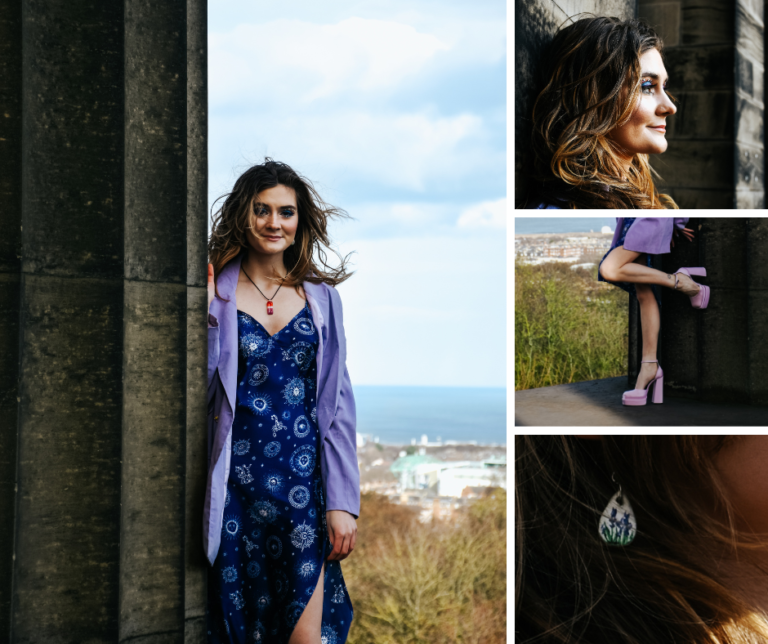
Georgie up Calton Hill in Edinburgh