
Ten Top Tips for becoming more inclusive of older LGBT people
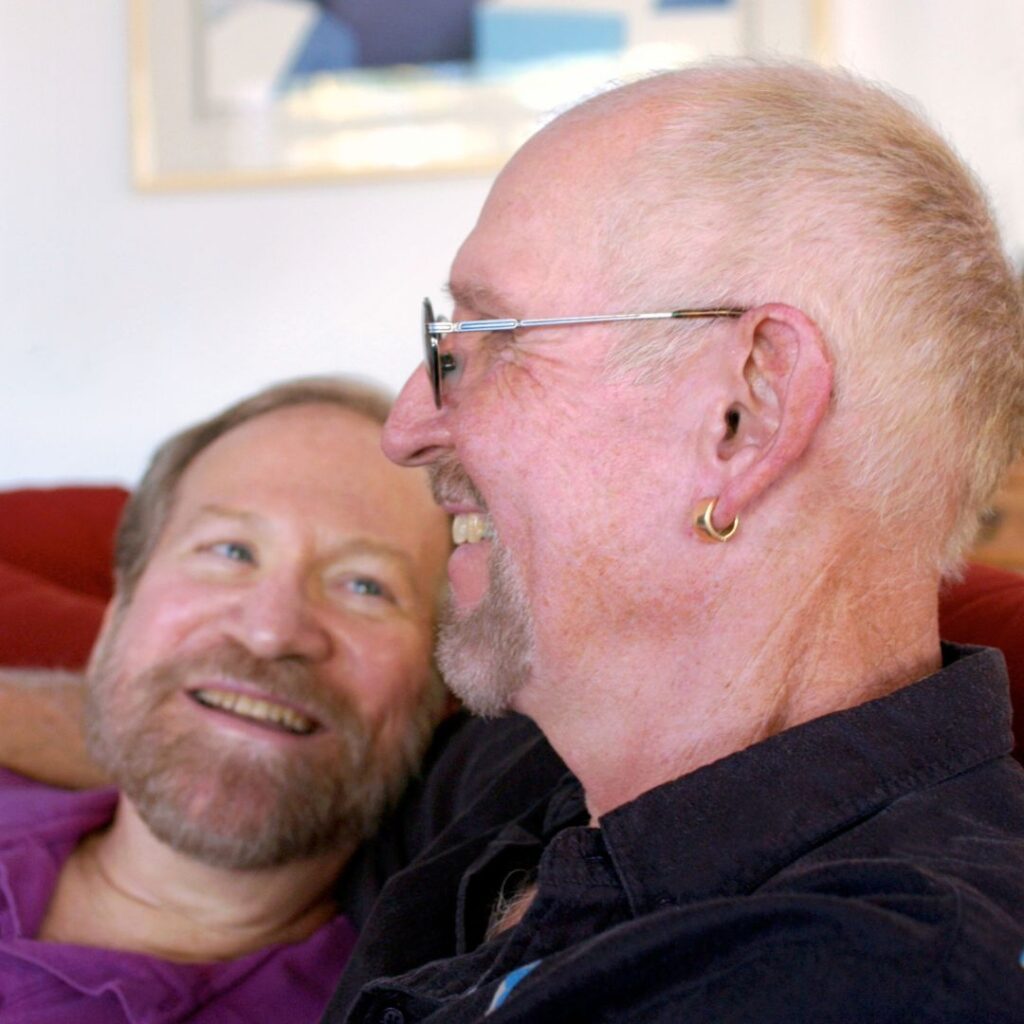
Creating inclusive services for older LGBT+ people
Why inclusion matters
What does it mean to be inclusive of lesbian, gay, bisexual, and transgender (LGBT) people? How can your organisation make LGBT+ individuals feel welcomed? How can you provide the best inclusive services to older LGBT+ people?
Challenges faced by older LGBT+ people
While attitudes towards LGBT people have changed, there are still challenges. Older LGBT+ individuals often face prejudice, harassment, and hate crimes. Many fear discrimination, even from professionals. As a result, they may avoid seeking help until a crisis occurs. This can lead to avoidable harm.
Some may hide their identity to protect themselves. Those receiving care at home might hide LGBT-related photos, while those in residential care may conceal their identity entirely. Transgender people, in particular, may feel anxious about personal care if their gender history is visible.
Invisibility and assumptions
Even when prejudice isn’t explicit, LGBT+ people can feel invisible. Many services assume everyone is heterosexual or cisgender, making it difficult for LGBT+ individuals to feel fully accepted.
How to develop inclusive services for older LGBT+ people
Many professionals want to be inclusive but don’t know where to start. This resource provides practical strategies to help your organisation become more inclusive. It also explains the reasoning behind each approach.
Use the LGBT Age Audit Tool alongside this resource to assess your current practices and identify areas for improvement.
Moving beyond tolerance
The goal is to go beyond simply tolerating LGBT+ individuals. Embrace them for who they are and provide the best possible care. Download the full guide to make your services welcoming and inclusive, ensuring older LGBT+ individuals feel respected and supported.
Other
Resources